Strive Personal Training (PT) Glasgow UK


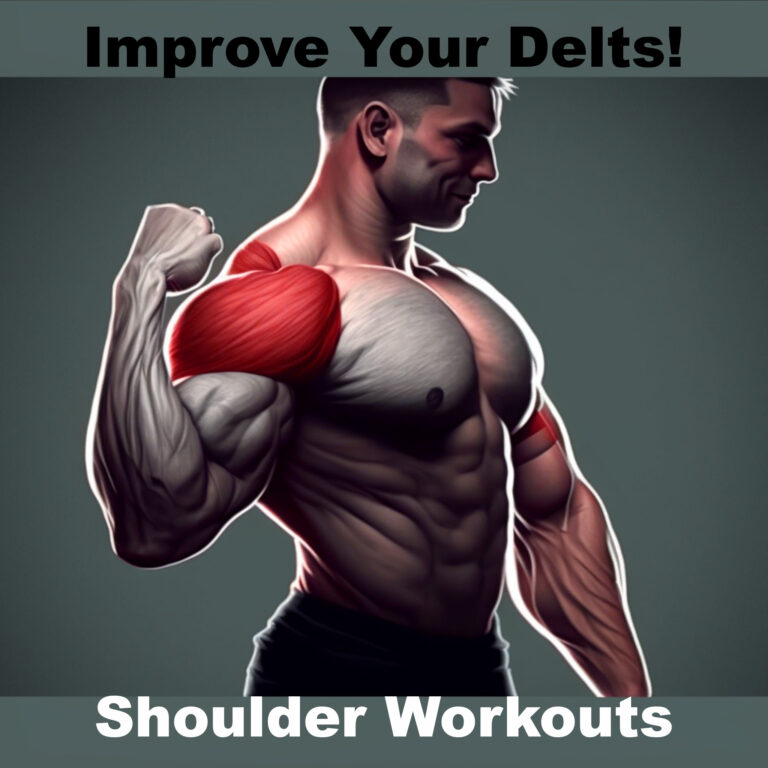
Shoulder Workouts For Men: Get Bigger Delts
Every individual has their own unique approach to their workout routine. From the exercise selection and order, weight and rep targets, rest periods, and advanced training techniques, everyone has their own workout DNA. With millions of fitness enthusiasts worldwide, there are countless shoulder workouts to choose from.
While individuality is great, there are certain principles that make some various shoulder training routines better than others, especially when targeting specific goals. In this article, we have compiled seven effective shoulder workouts, each with a distinct training objective.
It’s crucial to pay close attention to exercise selection and order, weight and rep targets, volume, and advanced training principles to optimize your workout routine for your specific goals. If you find a workout that works for you, stick with it for 4-8 weeks before returning to your regular routine or trying another from the list.
These seven shoulder workouts are just the beginning. There are many comprehensive workout plans available online that can help you achieve your fitness goals. Websites such as Muscle & Strength and Men’s Fitness offer a variety of workout programs that can help take your entire upper body to the next level.

Workout notes
If you’re planning to incorporate shoulder workouts into your fitness routine, here are some workout notes that can help you get started:
- Warm-up: Before starting your shoulder workout, it is essential to warm up your muscles. A good warm-up can help prevent injuries and improve your performance during the workout. You can warm up your shoulders by doing shoulder circles, arm circles, and shoulder shrugs.
- Proper Form: Proper form is critical when performing shoulder exercises. Ensure that you are using the correct weight and performing the exercises with the right technique. Improper form can lead to injuries and reduce the effectiveness of the workout.
- Start with Compound Movements: Compound movements are exercises that target multiple muscle groups at the same time. Start your shoulder workout with compound movements such as the overhead press, which targets the anterior deltoids, triceps, and upper chest. Compound movements can help you maximize your workout time and improve your overall strength.
- Isolation Movements: After you have completed your compound movements, move on to isolation exercises that target specific parts of the shoulders. Isolation exercises can help you develop balanced and well-rounded shoulders.
- Progressive Overload: Progressive overload is a training principle that involves gradually increasing the weight or intensity of your workouts over time. To see progress in your shoulder strength and size, aim to increase the weight or reps of your exercises over time.
- Rest and Recovery: Rest and recovery are critical to prevent overuse injuries and allow your muscles to repair and grow. Ensure that you are taking rest days between your shoulder workouts and getting enough sleep to allow for proper recovery.
- Consistency: Consistency is key when it comes to seeing results from your workouts. Aim to perform shoulder exercises at least once a week, and gradually increase the frequency as your strength and fitness improve.
Introduction
The shoulders of one arm are a complex joint that provides us with a wide range of motion. Strong and stable shoulders not only improve our posture and aesthetics but also help us perform daily activities with ease. In this article, we will discuss the anatomy of the shoulder, the benefits of shoulder workouts, and the most effective exercises to develop strong and sculpted shoulders.
Anatomy of the Shoulder
The shoulder joint is made up of three bones, the humerus (upper arm bone), the scapula (shoulder blade), and the clavicle (collarbone). The shoulder joint is a ball-and-socket joint, allowing for a wide range of motion. The rotator cuff, a group of four muscles and their tendons, provides stability to the shoulder joint.
Benefits of Shoulder Workouts
Shoulder workouts have several benefits, including:
- Improved Posture: Strong and stable shoulders help keep the chest open and the spine straight, improving overall posture.
- Increased Strength: Shoulder workouts target the deltoid muscles, which are responsible for lifting and rotating the arms, and the rotator cuff muscles, which provide stability to the shoulder joint.
- Reduced Risk of Injury: Strengthening the shoulder muscles can help reduce the risk of shoulder injuries and improve joint stability.
- Aesthetics: Strong and sculpted shoulders can enhance the overall appearance of the upper body.
Effective Shoulder Exercises
Here are some of the most effective shoulder exercises that you can incorporate into your workout routine:
- Overhead Press: The overhead press targets the anterior deltoids, or the front of the shoulder. To perform this exercise, stand with your feet shoulder-width apart, hold a barbell or dumbbells at shoulder height, and press the weight overhead, keeping your core tight and your elbows close to your body.
- Arnold Press: The Arnold press targets all three heads of the deltoids. To perform this exercise, hold a pair of dumbbells at shoulder height, with your palms facing your body. Rotate your palms outward as you press the weights overhead, then reverse the motion as you lower the weights back to the starting position.
- Lateral Raise: The lateral raise targets the medial deltoids, or the middle of the shoulder. To perform this exercise, stand with your feet shoulder-width apart, hold a pair of dumbbells at your sides, and raise the weights out to the sides, keeping your elbows slightly bent.
- Front Raise: The front raise targets the anterior deltoids. To perform this exercise, stand with your feet shoulder-width apart, hold a pair of dumbbells at your sides, and raise the weights straight out in front of you, keeping your elbows slightly bent.
- Rear Delt Fly: The rear delt fly targets the posterior deltoids, or the back of the shoulder. To perform this exercise, bend over at the hips with your feet shoulder-width apart, hold a pair of dumbbells in front of you with your palms facing each other, and raise the weights out to the sides, keeping your elbows slightly bent.
Face Pulls: Face pulls target the rotator cuff muscles and the rear deltoids. To perform this exercise, attach a rope, parallel to the floor to a cable machine at shoulder height, grab the rope with both hands, and pull the rope towards your face, keeping your elbows high and your shoulders back.
Building well-rounded and developed delts is crucial for upper body strength and aesthetics. To achieve overall delt mass and greater definition in healthy shoulders, it’s important to focus on building a foundation, emphasizing the middle and rear delts, and pre-exhausting your delts for maximum growth.
Benefits of Strong Delts
There are several benefits of having strong delts, including:
- Improved Posture: Strong shoulders help keep the chest open and the spine straight, which enhances overall posture.
- Enhanced Upper Body Strength: Strong delts can help you lift heavier weights and perform better in upper body exercises.
- Reduced Risk of Injury: Strong shoulders can help reduce the risk of shoulder injuries and improve joint stability.
- Aesthetics: Well-rounded and developed delts can improve the overall appearance of the upper body.
Effective Shoulder Workouts for Growing Delts
There are various exercises you can do to the best shoulder exercises target your delts and promote growth. Here are some of the most effective shoulder workouts:
- Barbell Overhead Press: The barbell overhead press targets the anterior deltoids, upper chest, and triceps. To perform this exercise, stand with your feet shoulder-width apart and hold a barbell at shoulder height with your palms facing forward. Press the bar overhead, keeping your elbows close to your body.
- Dumbbell Lateral Raise: The dumbbell lateral raise targets the medial deltoids. Stand with your feet shoulder-width apart and hold a pair of dumbbells at your sides. Raise the dumbbells out to the sides, keeping your elbows slightly bent.
- Dumbbell Front Raise: The dumbbell front raise targets the anterior deltoids. Stand with your feet shoulder-width apart and hold a pair of dumbbells at your sides. Raise the dumbbells straight out in front of you, keeping your elbows slightly bent.
- Dumbbell Rear Delt Fly: The dumbbell rear delt fly targets the posterior deltoids. Bend over at the hips with your feet shoulder-width apart and hold a pair of dumbbells in front of you with your palms facing each other. Raise the dumbbells out to the sides, keeping your elbows slightly bent.
- Arnold Press: The Arnold press targets all three parts of the delts. Hold a pair of dumbbells at shoulder height with your palms facing your body. Rotate your palms outward as you press the weights overhead, then reverse the motion as you lower the weights back to the starting position.
- Cable Face Pull: The cable face pull targets the posterior deltoids and the rotator cuff muscles. Attach a rope to a cable machine at shoulder height and grab the rope with both hands. Pull the rope towards your face, keeping your elbows high and your shoulders back.
- Upright Row: The upright row targets the medial and anterior deltoids as well as the traps. Stand with your feet shoulder-width apart and hold a barbell or dumbbells at your waist. Pull the weight up towards your chin, keeping your elbows higher than your wrists.
Building a Foundation for Delt Growth
Before focusing on specific delt exercises, it’s important to build a foundation for delt growth. This includes building overall strength through compound exercises like the overhead press, which targets the anterior deltoids, triceps, and upper chest. Additionally, incorporating exercises like push-ups and dips can help build overall shoulder strength and shoulder stability too.
Middle-Delt Growth
The medial delts are responsible for raising the arms out to the sides, making exercises like the dumbbell lateral raise and cable lateral raise effective for targeting this area. To focus on the medial delts, aim to keep your elbows slightly bent and focus on lifting the weights straight arms out to the sides.
Rear-Delt Growth
The rear delts are often neglected in shoulder workouts, but they are essential for overall delt mass and strength. Exercises like the dumbbell rear delt fly and cable face pull can effectively target the rear delts. To perform a dumbbell rear delt fly, bend over at the hips and lift the weights out to the sides, focusing on squeezing the shoulder blades together. For a cable face pull, attach a rope to a dumbbell shoulder cable machine at shoulder height and pull the rope towards your face, keeping your elbows high and your shoulders back.
Front-Delt Emphasis
The front delts are responsible for raising the arms forward, making exercises like the dumbbell front raise and Arnold press effective for targeting this area. To perform a dumbbell front raise, stand with your feet shoulder-width apart and lift the weights straight out in front of you, keeping your elbows slightly bent. For an Arnold press, hold a pair of dumbbells at shoulder height with your palms facing your body. Rotate your palms outward as you press the weights overhead, then reverse the motion as you slowly lower the weights back to the starting position.
Pre-Exhausting Your Delts
Pre-exhausting your delts can help maximize growth and definition. To pre-exhaust your delts, perform an isolation exercise like the dumbbell lateral raise or cable lateral raise before moving on to a compound exercise like the overhead press. This will fatigue the delts, forcing them to work harder during the compound exercise.
In conclusion, building well-rounded and developed delts requires a combination of compound and isolation exercises, emphasizing the middle and rear delts, and pre-exhausting your delts. Incorporating these exercises into your shoulder workout routine and progressively increasing the weight and reps can help you achieve overall delt mass and greater definition. Don’t neglect your rear delts and focus on building a strong foundation to ensure maximum delt growth and strength.
Conclusion
Shoulder workouts are important for overall upper body strength and aesthetics. The shoulder joint is complex, and it is essential to perform exercises that target all three heads of the deltoids and the rotator cuff muscles. By incorporating the above exercises into the shoulder level of your workout routine, you can develop strong and sculpt
Bonus Round
Here are some additional information and exercises for deltoids and shoulder workouts.
- Single-Arm Dumbbell Press: This exercise is great for building unilateral shoulder strength and stability. Sit on a bench with a dumbbell in one hand, resting on your shoulder. Press the weight overhead, keeping your core engaged and your opposite arm out to the side for balance.
- Dumbbell Shrugs: Dumbbell shrugs are great for targeting the traps, which support the shoulders. Hold a pair of dumbbells at your sides and shrug your shoulders up towards your ears, squeezing your traps at the top.
- Push-Up Variations: Push-ups are a great compound exercise that targets the chest, triceps, and shoulders. Variations like the pike push-up and handstand push-up can target the shoulders specifically. For a pike push-up, start in a downward dog position with your hands on the ground and your hips raised. Lower your head towards the ground, then press back up. For a handstand push-up, kick up into a handstand position against a wall and lower your head towards the ground, then press back up.
- Resistance Band Pull-Apart: Resistance band pull-aparts are a great exercise for targeting the rear delts and improving posture. Hold a resistance band in front of you with your hands about shoulder-width apart. Pull the band apart, squeezing your shoulder blades together.
- YTWL Exercise: The YTWL exercise is a great way to target all areas of the delts. Lie face down on a bench or stability ball with a light pair of dumbbells in your hands. Raise your arms out to the sides in a Y position, then lower and raise them out in a T position, then lower and raise them in a W position, then lower and raise them in an L position.
- Barbell Upright Row: The barbell upright row targets the traps, medial delts, and upper chest. Hold a barbell with an overhand grip, with your hands shoulder-width apart. Pull the bar up towards your chin, keeping your elbows higher than your wrists.
- Cable Lateral Raise: The cable lateral raise is a great alternative to the dumbbell lateral raise, allowing for constant tension on the muscles. Attach a cable to a cable machine at shoulder height and hold the handle with one hand. Lift the handle out to the side, keeping your elbow slightly bent and your core engaged.
- Reverse Fly: The reverse fly targets the rear delts and upper back. Hold a pair of dumbbells with your palms facing each other and bend over at the hips. Lift the dumbbells out to the sides, squeezing your shoulder blades together at the top.
- Overhead Triceps Extension: The overhead triceps extension is a great exercise for targeting the triceps and the long head of the deltoids. Hold a dumbbell or a barbell overhead with both hands, with your elbows close to your head. Lower the weight behind your head, then press it back up.
In addition to exercises, it’s important to pay attention to your form and technique to ensure maximum delt growth and reduce the risk of injury. Keep your core engaged, your arms straight, shoulders back and down, and use a weight that allows you to perform the exercise with proper form.
Finally, it’s important to give your muscles enough time to rest and recover between workouts. Aim to work your delts 1-2 times per week, and focus on progressive overload, increasing the weight and reps over time to continue challenging your muscles and promoting growth. By incorporating a variety of exercises and techniques, you can achieve well-rounded upper arms, and developed delts that will enhance your upper body strength and aesthetics.